Bone Health During Menopause: How to Prevent Osteoporosis and Keep Your Bones Strong
By Dr. Christa Waymire, MD | Dragonfly Menopause Care | Chanhassen, Minnesota

Bone health is one of the most important issues for women during perimenopause, menopause, and beyond. Whether you've already been diagnosed with osteoporosis, have the less severe condition called osteopenia, or simply want to protect your bones as you age, there are things you can do right now to keep your bones strong.
As a former emergency medicine physician, I've seen firsthand just how devastating bone fractures can be for women.
Hip fractures, spinal fractures, pelvic fractures, and even wrist fractures are common reasons older women end up in the emergency department. Some fractures require hospitalization, surgery, or prolonged rehabilitation. Others can result in permanent loss of independence, nursing home placement, or even death.
I remember one woman who fell from a small stepladder and fractured both arms in a single fall.
These are the kinds of injuries I want my patients to avoid.
The good news? We can take meaningful steps to protect our bones, and menopause is an important time to start.
Why Does Bone Loss Accelerate During Menopause?
Estrogen plays a major role in maintaining strong bones. As estrogen levels decline during perimenopause and menopause, women can begin losing bone density more rapidly.
This is one reason osteoporosis becomes increasingly common after menopause.
There are two terms you should understand:
Osteopenia: Lower-than-normal bone density, but not low enough to qualify as osteoporosis.
Osteoporosis: More significant loss of bone density and strength, increasing the risk of fractures.
Not every woman with osteopenia will develop osteoporosis, but identifying bone loss early gives us an opportunity to intervene.
Women who are naturally thin, have a family history of osteoporosis or hip fractures, or experience early menopause may be at particularly high risk.
At Dragonfly Menopause Care, bone health is an important part of how we approach long-term health and healthy aging.
1. Hormone Therapy: Estrogen, Progesterone, and Testosterone
Hormones are an important part of bone health, particularly during menopause.
Estrogen has the strongest evidence for preventing menopause-related bone loss and reducing fracture risk. When estrogen levels decline, bone breakdown accelerates. For women who are appropriate candidates, menopausal hormone therapy can help preserve bone density.
Progesterone also participates in bone metabolism, although its independent benefits for preventing fractures are less established. Progesterone is commonly prescribed alongside systemic estrogen for women who have a uterus. Progesterone stimulates osteoblast activity, and osteoblasts are the cells responsible for building new bone.
Testosterone contributes to muscle and bone physiology and may indirectly support skeletal health through its effects on muscle. However, we do not yet have sufficient evidence to recommend testosterone specifically for osteoporosis prevention.
At Dragonfly, I believe in looking at the entire hormonal picture rather than considering estrogen in isolation.
Hormone therapy isn't appropriate for every woman, and women with established osteoporosis may also need medications specifically proven to prevent fractures (although we find at Dragonfly that women often prefer alternatives to non-hormonal pharmaceuticals for bone health).
2. Calcium: Food First, Supplements When Necessary
Calcium is essential for strong bones, but I prefer that my patients get as much calcium as possible through their diets.
General daily calcium recommendations for women are:
Age 50 and younger: 1,000 mg daily
Age 51 and older: 1,200 mg daily
These amounts represent total calcium intake from food and supplements combined.
Excellent dietary sources include yogurt, cheese, milk, calcium-fortified alternatives, and certain leafy greens.
If you're not getting enough calcium through your diet, supplementation can help make up the difference.
However, I'm not a big fan of taking unnecessary calcium supplements. Excess supplemental calcium can increase the risk of kidney stones in susceptible individuals.
My recommendation is simple: Get your calcium from food whenever possible, and supplement only what you're missing.
3. Vitamin D: Essential for Bone Health
Vitamin D is one of the most important nutrients I consider when evaluating bone health.
Without adequate vitamin D, your body cannot efficiently absorb calcium.
Vitamin D also plays important roles in muscle function and normal bone mineralization.
Many women benefit from assessing whether they're getting enough vitamin D through diet, sunlight, and supplementation.
The appropriate dose varies depending on age, medical history, and individual risk factors. Taking more isn't necessarily better, so I recommend an individualized approach.
4. Magnesium: An Often-Overlooked Mineral
Magnesium is another important nutrient for bone health.
It contributes to normal bone structure and plays a role in vitamin D metabolism, muscle function, and hundreds of biochemical reactions throughout the body.
Magnesium can be obtained through foods such as nuts, seeds, legumes, and leafy greens.
For women who aren't getting enough magnesium through their diets (which is most of us), supplementation may be helpful.
Some forms I commonly consider include magnesium glycinate, magnesium taurate, and magnesium threonate.
The best choice depends on individual tolerance, absorption, and other health goals.
Although magnesium is essential for healthy bones, research has not established that taking extra magnesium prevents osteoporosis-related fractures in women who already have adequate intake.
5. Creatine: Supporting Muscle Strength and Healthy Aging
Creatine is one of my favorite supplements to discuss with women in midlife, especially those who are strength training.
Creatine supports the body's ability to produce energy during high-intensity muscular activity.
Research suggests that creatine supplementation, particularly when combined with resistance training, can improve muscle strength and modestly increase lean muscle mass in postmenopausal women.
Its direct effects on bone density are less certain, but maintaining strong muscles is an important part of protecting ourselves from falls and fractures.
For many women, creatine can be a useful addition to a comprehensive healthy-aging and exercise program.
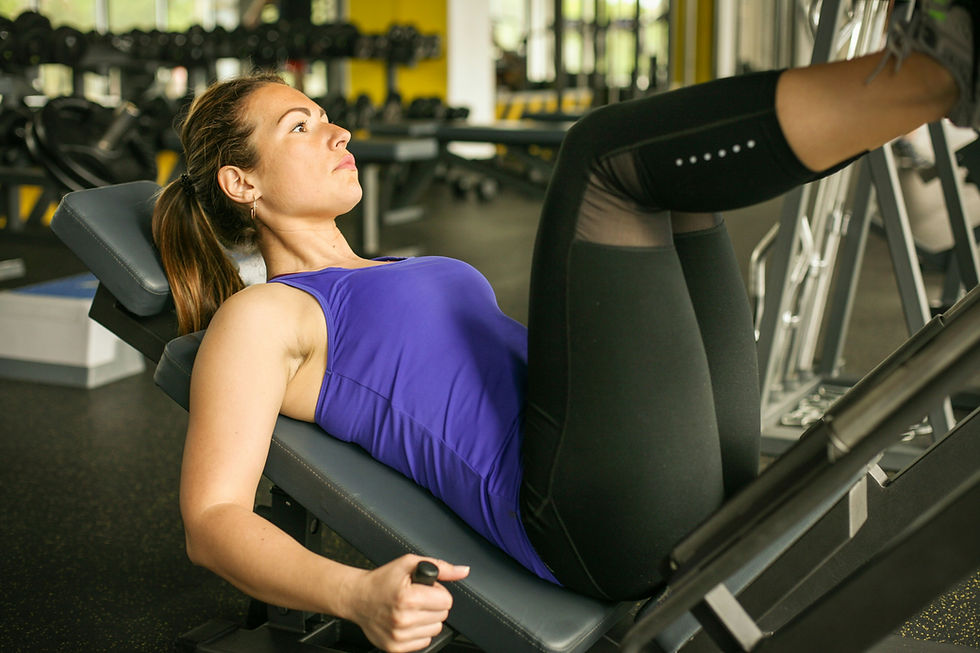
6. Heavy Strength Training: One of the Most Important Things You Can Do
If there's one thing I cannot emphasize enough, it's the importance of strength training.
And I don't mean simply lifting tiny weights occasionally.
I mean challenging your muscles with progressively heavier resistance, using proper technique and appropriate supervision.
Bones respond to mechanical loading. Strength training helps maintain muscle mass, improves balance and physical function, and can help maintain or improve bone strength.
Strong muscles also help protect us from falls, which are one of the biggest causes of fractures as we age.
Why I Work With Discover Strength
I personally strength train at Discover Strength twice a week for approximately 30 minutes per session.
I've never felt stronger!
One of the things I appreciate most is having professional guidance while lifting challenging weights.
Heavy resistance training can be intimidating, and improper technique can lead to injury. This is especially important for women who already have osteoporosis or a history of fractures.
Working with a knowledgeable trainer helps ensure you're challenging your muscles safely and effectively.
That's one reason I work with Discover Strength and encourage women to consider professionally supervised strength training.
You don't have to spend hours in the gym to make strength training a consistent part of your life.
And while I feel stronger than ever, I also recognize that improvements in strength don't automatically tell us what's happening to bone density. That's where appropriate bone density testing can be helpful.
7. Know Your Bone Density Before a Fracture Happens
Osteoporosis is often called a silent disease because women may not realize their bones are weakening until they experience a fracture.
A DEXA scan is a specialized imaging test used to measure bone mineral density.
Routine osteoporosis screening is generally recommended for women beginning at age 65, but younger postmenopausal women with risk factors may benefit from earlier testing.
Risk factors include a family history of hip fractures, low body weight, early menopause, previous fractures, certain medications, and medical conditions that affect bone health.
If osteoporosis is already present, it's important to evaluate fracture risk and discuss whether prescription osteoporosis treatment is appropriate in addition to hormones, nutrition, and exercise.
Strong Bones Are an Investment in Your Future
I spent years working in emergency medicine, and I've seen what happens when a seemingly simple fall changes someone's life.
A broken hip or spinal fracture can mean months of recovery, loss of mobility, or loss of independence.
That's why I care so much about bone health.
Whether you're 40, 50, 60, or beyond, there are meaningful steps you can take to protect your bones.
For many women, that means evaluating hormone health, getting adequate calcium, vitamin D and magnesium, considering creatine for muscle support, and making strength training a priority.
Our goal isn't simply to avoid osteoporosis. It's to stay strong, active, independent, and healthy for decades to come.
At Dragonfly Menopause Care in Chanhassen, Minnesota, we take an individualized approach to menopause and healthy aging, including hormone therapy, nutrition, and lifestyle strategies that support long-term bone health.
If you're concerned about osteoporosis, osteopenia, or bone loss during menopause, we'd love to help you understand your options.
Dragonfly Menopause Care
Chanhassen, Minnesota
Personalized Menopause and Midlife Care
In-person and telehealth appointments for women in Minnesota


Comments